
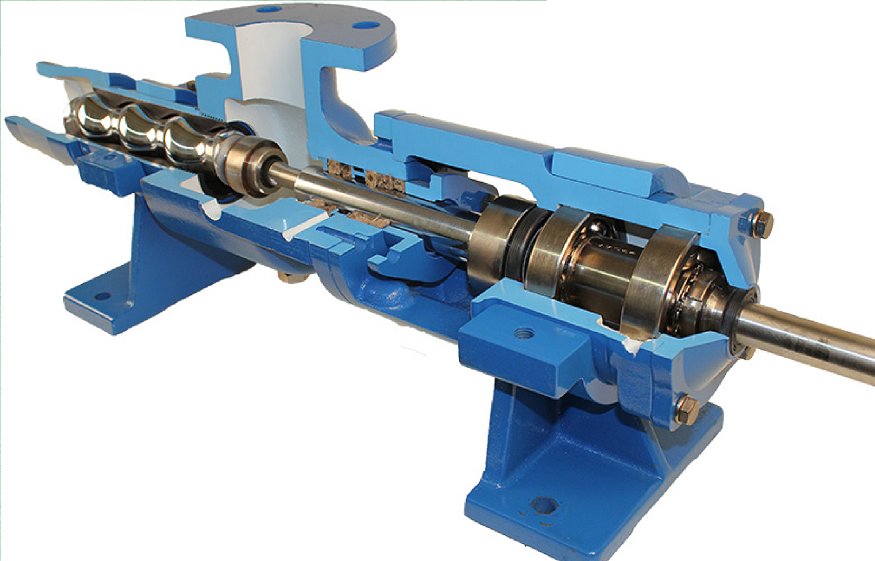
In many industrial processes, moving challenging fluids requires equipment that is precise, gentle, and dependable. This is where progressing cavity pumps stand out. Known for their steady flow and ability to handle difficult materials, these pumps play a vital role across multiple sectors. Understanding how they work and where they are used helps engineers, operators, and decision makers select the right pumping solution for demanding applications.
What Are Progressing Cavity Pumps
Progressing cavity pumps are positive displacement pumps designed to move fluids at a consistent rate regardless of pressure changes. They are especially effective when handling viscous, abrasive, or shear sensitive materials. A PC pump is valued for its smooth flow characteristics and minimal pulsation, which protects both the fluid and downstream equipment.
How Progressing Cavity Pumps Work
The operation of progressing cavity pumps is based on a simple yet highly effective mechanical principle.
Inside the pump, a single helical rotor turns within a double helical stator. As the rotor rotates, sealed cavities form between the rotor and stator. These cavities progress continuously from the suction end to the discharge end.
Each cavity maintains its shape and volume as it moves forward. This design allows the fluid to be transferred smoothly without turbulence or sudden pressure spikes. Because the cavities remain sealed, the pump delivers a steady and predictable flow.
This operating method makes a PC pump ideal for applications where flow accuracy and gentle handling are essential.
Key Advantages of This Pumping Design
Progressing cavity pumps offer several benefits that make them suitable for complex pumping tasks.
They can handle fluids with very high or very low viscosity. Materials containing solids, fibers, or gases can be pumped without loss of performance. The low shear action preserves the structure of sensitive fluids such as slurries or emulsions.
Another advantage is flow control. The output is directly proportional to the pump speed, allowing precise metering and dosing. This accuracy is one of the main reasons progressing cavity pumps are used in critical process applications.
Common Applications Across Industries
The versatility of progressing cavity pumps has led to their widespread adoption in many industries.
In water and wastewater treatment, they are used to move sludge, thickened biosolids, and chemical additives. Their ability to handle abrasive materials with consistent flow makes them a reliable choice.
In oil and gas operations, a PC pump is often used for transferring crude oil, drilling fluids, and produced water. The pump performs well even when fluids contain sand or have varying viscosity.
The food and beverage industry relies on these pumps to move products like dough, sauces, and syrups. The gentle pumping action helps maintain product quality and texture.
In chemical processing, progressing cavity pumps support accurate dosing and safe transfer of corrosive or reactive fluids. Their sealed cavity design reduces the risk of leaks and flow instability.
Why These Pumps Perform Well in Demanding Conditions
One reason progressing cavity pumps excel is their adaptability. They can operate efficiently under low or high pressure conditions and maintain performance even with fluctuating flow requirements.
Their simple mechanical structure also contributes to durability. With proper material selection and maintenance, a PC pump can operate for long periods with minimal downtime. This reliability reduces operational costs and improves overall process efficiency.
Progressing cavity pumps combine simple engineering with powerful performance. By using a sealed cavity movement principle, they deliver smooth, accurate, and reliable fluid transfer. From wastewater treatment to energy production and food processing, these pumps support operations where consistency and control matter most.
Understanding how progressing cavity pumps work and where they are used provides valuable insight into why a PC pump remains a trusted solution for handling complex fluids in modern industrial systems.


